

Views: 0 Author: Site Editor Publish Time: 2026-07-12 Origin: Site


Field workforces require robust digital tools to execute complex daily tasks effectively. Logistics drivers, healthcare providers, and site inspectors demand real-time database access constantly. Intermittent or unstable connectivity no longer sustains modern mobile operations. Relying on public Wi-Fi or smartphone tethering creates unpredictable downtime and workflow bottlenecks. These makeshift connections drain secondary device batteries rapidly during long shifts. Furthermore, they introduce severe security vulnerabilities into sensitive corporate networks. Deploying a dedicated 4G LTE smart tablet fleet shifts mobile connectivity from a variable risk to a manageable, secure utility. This vital infrastructure upgrade directly impacts operational efficiency and overall field productivity. You will soon discover how native cellular connectivity transforms mobile workflows completely. We will explore essential hardware selection criteria and secure deployment strategies to optimize your entire workforce.
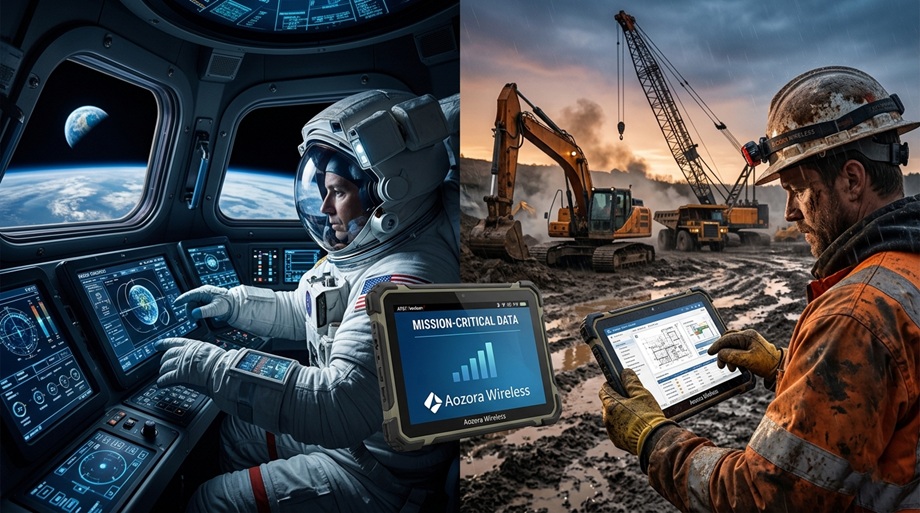
Connectivity: Native LTE eliminates reliance on unsecure public networks or battery-draining smartphone hotspots.
Security: Cellular data protocols combined with Mobile Device Management (MDM) significantly reduce endpoint vulnerabilities compared to Wi-Fi.
Hardware Selection: Evaluating specific form factors (like the A110 LTE Tablet or A83U LTE Tablet) must account for thermal performance, antenna quality, and outdoor readability, not just specs.
Deployment: Carrier-unlocked devices offer superior procurement flexibility and cross-region reliability.
Many organizations attempt to save upfront hardware costs by relying on smartphone tethering. They instruct field workers to link standard Wi-Fi tablets to mobile phone hotspots. This approach introduces severe operational friction.
Tethering a Wi-Fi tablet to a mobile phone introduces two distinct points of hardware failure. If either device loses power or malfunctions, the worker goes offline immediately. Furthermore, broadcasting a continuous Wi-Fi signal causes rapid battery degradation for the smartphone. Lithium-ion batteries degrade faster under the immense thermal stress generated by continuous hotspot broadcasting. Workers often find their primary communication device dead before the shift ends.
Smartphone hotspots inherently deprioritize tethered traffic. Cellular carriers enforce strict quality-of-service rules on consumer devices. They actively throttle bandwidth routed through mobile hotspots to protect network congestion. This throttling causes frequent timeouts in heavy enterprise applications. Uploading high-resolution site inspection photos becomes excruciatingly slow. Syncing localized databases fails repeatedly due to latency spikes. Native cellular tablets bypass these artificial throttling mechanisms entirely. They communicate directly with cell towers using enterprise-grade data priorities.
Cellular coverage remains imperfect in remote or industrial settings. However, tablet hardware handles fringe signals much better than smartphones. Native tablet antennas are physically larger. They capture weak cellular signals more effectively than compact smartphone antennas. A smartphone hotspot might drop a connection inside a metal warehouse. Meanwhile, a dedicated tablet often maintains a stable link. This superior signal retention minimizes dreaded "dead zones" during critical tasks.
Connectivity Comparison Chart
Feature | Smartphone Tethering | Native 4G LTE Tablet |
|---|---|---|
Battery Impact | Extreme drain on smartphone | Optimized continuous usage |
Failure Points | Two (Phone + Tablet) | One (Tablet only) |
Signal Reception | Limited by phone antenna size | Enhanced by large tablet antennas |
Bandwidth Priority | Often throttled by carrier | Standard enterprise priority |
Upgrading to native cellular connectivity solves immediate pain points. It also unlocks powerful operational capabilities. Field teams gain unprecedented agility when their hardware maintains a persistent network link.
Data integrity relies on immediate input. Workers can input critical data directly into your CRM or ERP system in real-time. This immediate syncing eliminates the need for end-of-day batch uploads. It also reduces data-entry errors caused by manual transcription. When a technician finishes a repair, they update the ticket instantly. Dispatchers see the status change immediately. This real-time visibility prevents scheduling overlaps and improves customer satisfaction.
Native GPS functionality transforms mobile hardware into precise tracking beacons. LTE-enabled tablets often include dedicated GNSS and GPS chips. These advanced modules do not rely on inaccurate Wi-Fi triangulation. They calculate location data directly from satellite arrays. This precision proves crucial for intelligent routing and fleet telemetry. Outdoor yard management teams rely on this accuracy to locate specific shipping containers. Dispatchers can pinpoint a driver's exact location without calling them.
Professionalism matters during client visits. Field technicians frequently process payments, pull up complex schematics, or verify warranties on-site. Asking a client for their personal Wi-Fi password disrupts the service experience. It looks unprofessional and creates unnecessary delays. Native cellular connectivity ensures technicians have instant access to necessary tools. They complete transactions seamlessly, projecting competence and reliability.
Mobile devices represent a significant attack surface. Managing fleet security requires robust infrastructure. Native cellular links simplify endpoint compliance significantly.
Public Wi-Fi networks present inherent dangers to corporate data. Coffee shops, airports, and client lobbies host unencrypted networks. Cybercriminals easily deploy rogue hotspots in these locations. They intercept sensitive data through Man-in-the-Middle attacks. Forcing employees to use public Wi-Fi violates zero-trust security architectures. Cellular tablets bypass these unsecure networks entirely. They keep your corporate data off public airwaves.
Cellular data protocols offer superior baseline security. LTE provides a naturally encrypted, segmented data tunnel. Carrier networks utilize robust encryption standards like AES. This makes cellular traffic significantly harder to intercept than standard 802.11 Wi-Fi. The physical SIM card authenticates the device directly to the carrier network. This hardware-level authentication prevents unauthorized network spoofing.
Mobile Device Management (MDM) platforms require persistent connectivity to function. IT administrators use MDM tools to enforce security policies remotely. They can push over-the-air (OTA) software updates silently in the background. If an employee loses a device, IT can lock it down instantly. They can wipe sensitive data remotely via cellular connections. These critical security actions remain impossible on a Wi-Fi tablet lacking an active network link.
Selecting the correct hardware prevents premature deployment failures. You must match device specifications directly to environmental challenges.
Frame hardware choices around the specific environmental demands of your workforce. A climate-controlled warehouse requires different features than a dusty construction site. Direct sunlight demands ultra-bright screens. Freezing temperatures require specialized battery chemistry. Outline these environmental factors before reviewing specification sheets.
Standard field workflows require reliable, lightweight hardware.
Use Case Profile: This device suits standard field service, retail inventory management, and indoor healthcare applications perfectly. It balances portability with necessary screen real estate.
Key Specs to Verify: Pay close attention to battery endurance under continuous LTE polling. Constant network scanning drains standard batteries quickly. Additionally, verify screen brightness measured in nits. Standard indoor use requires at least 400 nits, while partial outdoor use demands more.
Rugged environments destroy standard consumer hardware rapidly.
Use Case Profile: Frame this option for higher-demand or specific ruggedized use cases. Heavy logistics, open-pit construction sites, and emergency responder vehicles require extreme durability.
Key Specs to Verify: Prioritize structural shock resistance and reinforced corners. Evaluate thermal management capabilities carefully. Devices mounted in closed vehicle cabs bake in the summer sun. Finally, confirm peripheral compatibility. Ensure it supports necessary attachments like barcode scanners and payment sleds.
Hardware Feature Matrix
Specification Category | Standard Operations | Rugged Operations |
|---|---|---|
Primary Environment | Retail, Hospitals, Light Field Service | Construction, Heavy Transit, Mining |
Display Requirements | Standard brightness, multi-touch | Ultra-bright, glove-capable touch |
Durability Focus | Lightweight chassis, basic drop protection | MIL-STD-810G, IP65/IP67 ratings |
Accessory Support | Basic cases, standard styluses | Vehicle mounts, active cooling docks |
Procuring hardware represents only the first step. You must manage data plans and deployment logistics carefully to ensure smooth adoption.
Enterprise data usage fluctuates wildly between users. Discuss the realities of enterprise pooled data plans versus unlimited throttled plans with your carrier. Pooled plans share a massive data bucket across all devices. This prevents individual overages. However, you face the risk of unexpected data spikes. If OS updates aren't strictly restricted to Wi-Fi via your MDM, a fleet-wide update could consume your entire monthly allowance instantly. Configure your MDM to block large media downloads over cellular networks.
Avoid purchasing carrier-subsidized locked tablets. Carriers often offer steep hardware discounts to secure multi-year contracts. Unfortunately, these locked devices lose immense value if your company changes network providers. You cannot simply swap the SIM card to a competitor's network. Purchasing unlocked hardware requires a higher initial investment. However, it guarantees long-term operational flexibility. You maintain the freedom to negotiate better rates annually.
Never deploy a new hardware fleet simultaneously. Follow a structured implementation logic to catch unforeseen issues early.
Small regional test: Distribute ten devices to a specific, high-performing team. Gather their feedback on battery life and software performance over two weeks.
Dead-zone mapping: Ask the pilot team to log any geographic areas where the cellular signal drops completely. Use this data to negotiate better coverage maps or switch carriers before a wider rollout.
Full fleet deployment with MDM enrollment: Once validated, roll out the remaining hardware. Ensure every device enrolls into your MDM platform automatically upon initial boot.
Organizations must transition from viewing cellular tablets as a premium add-on. They represent a necessary infrastructure investment for mobile operational efficiency. Relying on tethering creates unacceptable vulnerabilities and workflow delays. By standardizing native connectivity, you secure your endpoints and empower your remote teams.
Cellular tablets eliminate hardware redundancy and reduce battery wear on secondary devices.
Native LTE provides a naturally encrypted alternative to dangerous public Wi-Fi networks.
Hardware selection must prioritize environmental durability and thermal management.
Unlocked devices prevent vendor lock-in and maximize future network flexibility.
Take immediate action today. Conduct an internal audit of field downtime caused by connectivity drops. Quantify these lost hours to determine your baseline productivity gap. Use this data to justify your upcoming hardware modernization project.
A: Unlocked devices are not tied to a specific cellular carrier. They allow IT administrators to swap SIM cards based on regional network strength. You can easily negotiate better corporate data rates without replacing your entire hardware fleet.
A: Yes. The device defaults to standard Wi-Fi functionality seamlessly. This ensures the hardware isn't permanently bricked if a cellular plan lapses or if a worker enters a Wi-Fi-only facility.
A: Yes. Actively searching for cellular towers drains power faster than maintaining a local Wi-Fi connection. Evaluating the specific battery capacity (mAh) of your chosen hardware remains critical for ensuring full-shift usage without recharging.
A: For 90% of field applications, 4G LTE offers more than enough bandwidth for texts, database syncs, and standard images. 5G deployment outside urban centers remains fragmented. This makes 4G LTE a highly stable and reliable standard for the near future.


