

Views: 0 Author: Site Editor Publish Time: 2026-02-04 Origin: Site


Tablets have become essential in both personal and professional life. From classrooms to construction sites, their versatility is clear. But when it comes to demanding environments, the difference between a fully rugged tablet and a normal tablet becomes crucial. Fully rugged tablets are designed to withstand extreme conditions, while normal tablets are built for everyday use.
In this article, we’ll explore these differences, focusing on the key features, advantages, and considerations when choosing the right tablet for your specific needs.

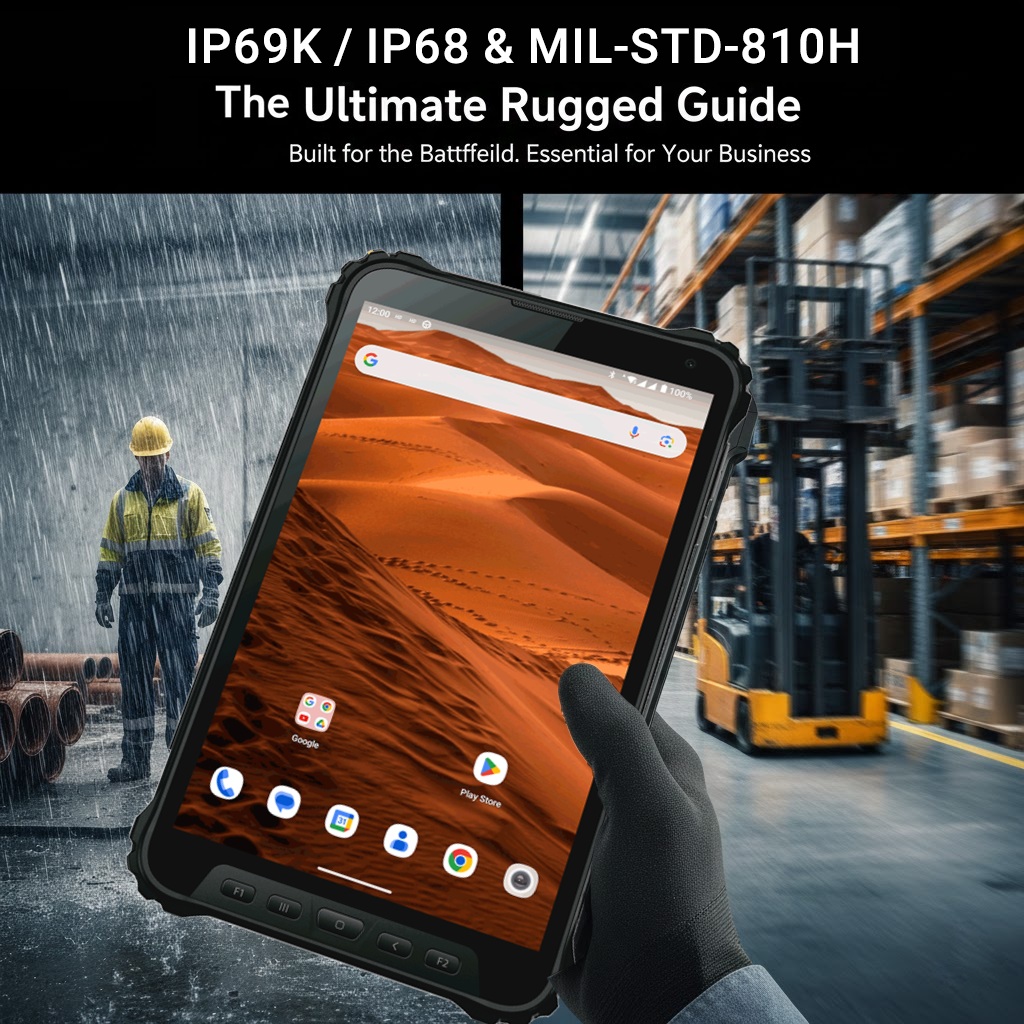
A fully rugged tablet is specifically designed to endure harsh environments. These devices are constructed with durable materials to withstand extreme conditions. Here are the key features that make a tablet fully rugged:
● Reinforced materials: Built to resist physical impacts, drops, and shocks.
● Extreme temperature resistance: Able to function in both high and low temperature environments.
● Water and dust protection: Certified with high IP ratings, such as IP65 or IP67, to ensure protection against water and dust.
● Military-grade certifications: Compliant with standards like MIL-STD-810, which covers resistance to vibrations, drops, and other environmental stressors.
Rugged tablets are often used in industries like construction, field services, military, and healthcare, where equipment must endure rough handling and unpredictable environments.
In contrast, normal tablets are designed for everyday tasks and are primarily used indoors. These tablets focus on portability, ease of use, and sleek design. They are perfect for casual activities like browsing, watching videos, or using productivity apps. They’re built with lighter materials and do not come with industrial-grade protections against drops, water exposure, or temperature extremes.
Normal tablets are ideal for environments like homes, offices, or schools, where exposure to harsh elements is minimal.
The construction of a rugged tablet is its standout feature. Rugged tablets use reinforced frames and shock-absorbing materials to protect against impacts. Their screens are designed to resist scratches and cracks even when exposed to drops, while ports are sealed to prevent dust or water ingress.
Normal tablets, on the other hand, are made with lighter materials like thin glass and aluminum. They are not intended to survive rough handling and can easily be damaged by drops or exposure to water.
Rugged tablets are built for high performance in demanding tasks. They are equipped with advanced processors, long-lasting batteries, and specialized features like barcode scanners, GPS, or RFID readers. These features are crucial for industries that rely on data collection and real-time information.
In comparison, normal tablets are optimized for general consumer use. They are well-suited for activities like streaming, light gaming, or productivity tasks but may struggle to handle the rigorous demands of industrial applications. Their processors and memory configurations are tailored for standard tasks rather than specialized work.
Rugged tablets excel in outdoor visibility. Their screens are often sunlight-readable and have anti-glare coatings, making them ideal for use in bright conditions. These tablets can also be used with gloves or in wet conditions, adding extra convenience in fieldwork.
Normal tablets, however, typically have screens that are vibrant indoors but may suffer from glare or poor visibility under direct sunlight. Furthermore, these tablets aren't designed to be used with gloves or in extreme environments, which limits their functionality in rugged conditions.
Rugged tablets are designed to last for extended periods without charging. They feature larger batteries and energy-efficient processors to support long shifts in the field, with some models even offering hot-swappable batteries for continuous operation.
Normal tablets generally have shorter battery lives and require more frequent charging. While this is fine for everyday use, it can be a disadvantage in environments that require continuous use over long hours.
Feature | Fully Rugged Tablet | Normal Tablet |
Durability | Reinforced, shock-resistant | Light materials, fragile |
Performance | High performance, specialized | General use, standard tasks |
Display | Sunlight-readable, anti-glare | Poor visibility in sunlight |
Battery Life | Long-lasting, energy-efficient | Shorter, frequent charging |
One of the standout features of rugged tablets is their ability to support various types of connectivity. These devices come with multiple ports, including USB-A, Ethernet, and HDMI, to allow seamless integration with other industrial equipment. Some rugged tablets also have specialized ports to support features like barcode scanning or external cameras, which are crucial in industries like logistics or healthcare.
Fully rugged tablets are often equipped with built-in tools to meet specific industrial needs. For instance, they may include barcode scanners or RFID readers that make data collection faster and more efficient. These capabilities are indispensable in sectors like inventory management, transportation, and healthcare.
Rugged tablets are designed to thrive in extreme conditions. They can operate in temperatures ranging from freezing to scorching hot and are resistant to water, dust, and even chemicals. This makes them indispensable for workers in construction sites, military zones, or agricultural fields where conditions can be unpredictable.
Feature | Fully Rugged Tablet |
Connectivity | Multiple ports (USB-A, Ethernet, HDMI) |
Specialized Tools | Barcode scanning, RFID readers |
Environmental Adaptability | Water, dust, and temperature resistance |
Normal tablets typically last between 3 to 5 years. However, they are often susceptible to damage from drops, spills, or other physical impacts. In addition, as technology evolves, regular tablets may become obsolete due to software updates, leading to frequent replacements.
Rugged tablets are built to last longer, thanks to their durable construction and modular designs. These tablets are often used for over 5 years, even in demanding conditions, due to their ability to withstand physical stress. They also feature repairable parts, which further extends their useful life.
Although rugged tablets come with a higher upfront cost, they often provide lower long-term costs. The durability of these tablets means fewer replacements and repairs over time. For industries that rely on tablets for daily operations, this results in significant savings. In contrast, normal tablets may require frequent repairs and replacements, especially in environments prone to physical damage.
Feature | Regular Tablets | Rugged Tablets |
Lifespan | 3-5 years | 5+ years |
Durability | Prone to damage | Built to withstand stress |
Repairability | Limited | Modular, repairable parts |
Total Cost of Ownership | Higher long-term costs | Lower long-term costs |
Before choosing a tablet, assess the environment in which it will be used. If the work environment is exposed to elements like dust, water, or rough handling, a rugged tablet is necessary. For tasks that require high performance and long-lasting durability, rugged tablets offer unmatched reliability.
Consider the total cost of ownership, lifespan, and the nature of the tasks you need to perform. Rugged tablets are ideal for industries like construction, military, and field services, where durability is essential. Normal tablets are better suited for light office tasks, entertainment, and personal use.
Feature | Rugged Tablets | Normal Tablets |
Environment Suitability | Dust, water, and rough handling | Indoor use, light environments |
Durability | High, built to last | Low, prone to damage |
Best For | Construction, military, fieldwork | Office, entertainment, personal |
Cost Considerations | Higher upfront, lower long-term cost | Lower upfront, higher long-term cost |
Fully rugged tablets are designed for professionals in demanding environments. They provide superior durability, performance, and essential features for industries like construction, military, and field services. Normal tablets are great for everyday use but are unsuitable for harsh conditions. When selecting a tablet, it’s important to consider the work environment, durability needs, and long-term costs. Investing in a rugged tablet, such as those from Aozora Wireless, ensures reliability and longevity, providing great value for industries that require performance in tough conditions.
A: A fully rugged tablet is designed to withstand extreme conditions, including water, dust, shocks, and temperature fluctuations. It is built with reinforced materials and certified to meet military-grade standards, making it ideal for industries like construction, military, and field services.
A: A fully rugged tablet is built for durability and extreme environments, while a normal tablet is designed for everyday use in controlled conditions. Rugged tablets offer enhanced protection, longer battery life, and specialized features, making them suitable for harsh work environments.
A: If your work environment involves exposure to water, dust, or rough handling, a fully rugged tablet offers the durability and functionality needed to ensure reliability and longevity. It can save you money in repairs and replacements over time.
A: Normal tablets are not built for harsh environments. They lack the durability features of fully rugged tablets and may break or malfunction if exposed to extreme temperatures, water, or physical impact.
A: Yes, fully rugged tablets are typically more expensive upfront due to their specialized construction and certifications. However, they provide long-term savings by reducing the need for repairs or replacements in demanding environments.
A: Fully rugged tablets have a longer lifespan than normal tablets due to their durable construction and repairable parts. They can last for several years, even in tough conditions, with proper care and maintenance.


