

Views: 175 Author: Site Editor Publish Time: 2026-07-18 Origin: Site


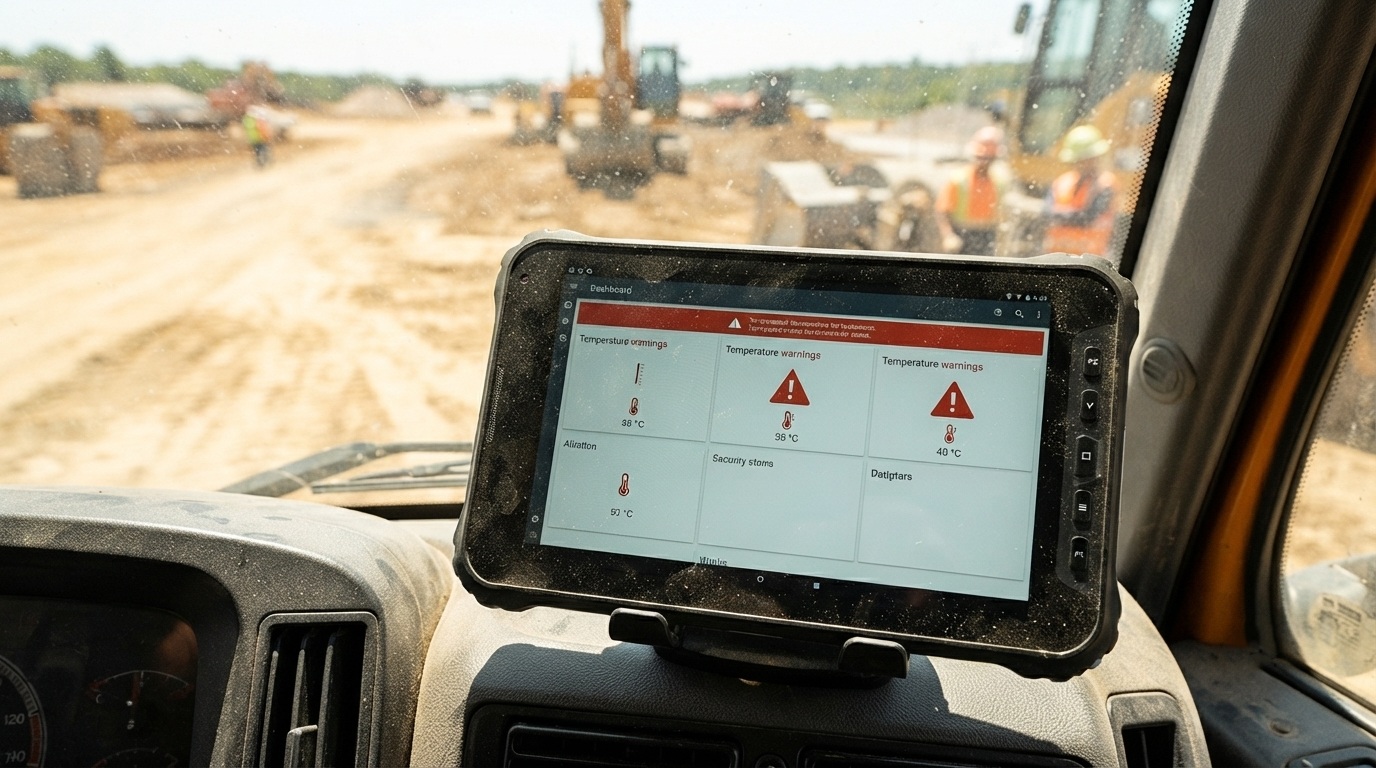
The headlines are full of economic uncertainty. Inflation, interest rates, labor costs—every CFO is looking at the numbers and hitting the brakes on expansion.
When growth isn't the primary lever, you have to squeeze performance out of what you already have.
For field operations, this means shifting focus from "getting more gear" to "making current assets last longer." If your team is still burning through consumer-grade hardware, you aren't just losing money on replacements—you're hurting your bottom line in ways that don't always show up on the initial invoice.
The bottom line: Every time a field tech drops a tablet, you pay for the hardware, the shipping, the downtime, and the administrative headache of getting a replacement.
Most companies look at the upfront price tag of a consumer tablet and see a bargain. But when you look at the total cost of ownership (TCO) over 24 months, it's a losing game. Consumer devices aren't built for the field. They break, they glitch, and they end up in the recycle bin in less than a year.
In a tight economy, that's not just poor planning—it's a cash flow leak.
The solution: Stop thinking of tablets as disposable gadgets and start viewing them as managed assets.
Industrial rugged tablets are designed to integrate directly into your Mobile Device Management (MDM) platform. This is a massive shift for your operational efficiency.
● Remote Deployment: Instead of shipping units to the office for manual setup, you push configurations, security policies, and apps over the air. Your tablets are ready to work the second they hit the field.
● Preventive Diagnostics: Your MDM lets you monitor battery health, storage usage, and system status remotely. You spot the bottleneck before the device fails. You don't have to wait for a "device-is-dead" support ticket.
● Reduced Truck Rolls: Most issues get fixed with a software patch, not a physical repair. You keep your field teams working, not driving back to the shop.
Choosing an industrial Verizon tablet isn't about buying the most expensive toy. It's an insurance policy for your balance sheet.
When you invest in hardware built for the field, you're buying a 3-to-5-year lifecycle. That's 3 to 5 years where you aren't sourcing, configuring, or replacing broken tablets.
During an economic downturn, the smartest move isn't usually a massive, risky pivot. It's hardening your existing infrastructure so that it works harder and costs less to maintain. You stop the bleeding. You stabilize your costs. You make your operations predictable.
That is how you survive a cycle of uncertainty. You cut the waste and keep your assets running.
If your asset management strategy involves reacting to broken screens and dead batteries, you're losing money every single month.
We work with operations leaders to audit their current hardware deployment. We look at the failure rates, the hidden support costs, and the true cost of those "budget" tablets.
[Click here to schedule an asset efficiency audit with an Aozora expert.]
Let's see where the leaks are in your current process and fix them before the next quarter.
Are you still dealing with high replacement rates for your field gear? Tell us your biggest maintenance headache in the comments.


